World Cup 2026 After the Final: How Bet Builder, Player Bets and Live Betting Changed Fan Behaviour
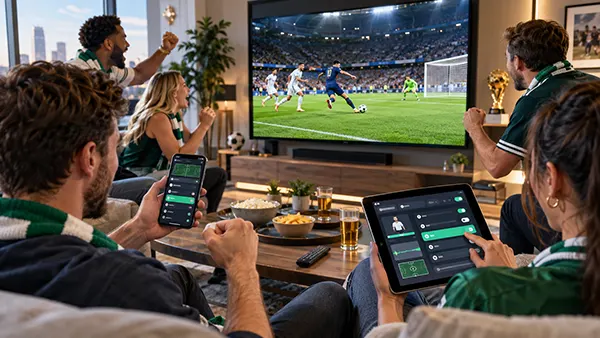
Spain’s 1-0 extra-time win over Argentina on 19 July brought the 2026 World Cup to a close, but the tournament also highlighted a clear change in betting habits. Bet Builder combinations, player-specific markets and live wagers all attracted greater attention than they had at Qatar 2022, giving fans more ways to follow individual moments inside each match.
From Match Results to Personal Betting Narratives
Match-winner, total-goals and correct-score bets remained familiar choices, yet many bettors followed several outcomes at once. Goalscorers, shots on target, cards and other match events could be combined in one Bet Builder, creating a more detailed betting story that developed throughout the game rather than ending with a single result.
This broader engagement reflects changing habits across online gambling. Football betting, live markets and casino games remain different activities, but users increasingly expect simple navigation, mobile access and clearly organised content. Nolimit way casino represents the casino side of this environment, with sections for slots, live dealer games, roulette and card games. During the World Cup, however, attention centred on football markets, particularly player statistics, match events and in-play betting.
OpenBet reported more than 175 million bets and about $3 billion in stakes during the tournament. It also processed 23 million player-prop bets, 130% more than at Qatar 2022, while ten of its 20 most repeated BetBuilder combinations included a player-goals or player-stats selection, showing how strongly individual performance had entered betting choices.
Why Individual Players Mattered More
Player markets changed what a bettor might watch once a match began. A wager on shots on target, goals or assists could remain relevant even when the likely result became clearer, directing attention towards individual actions and giving supporters another reason to follow particular players closely through the full 90 minutes.
Kambi’s post-tournament figures point in the same direction. Player props appeared in 65% of Bet Builder bets on its network, compared with 25% in 2022, while shots on target became one of the stronger player-led selections by turnover. The figures suggest that individual statistics moved much closer to the centre of tournament betting.
Traditional match betting did not disappear, and the data does not describe every football supporter. What changed was the number of ways a single fixture could be followed. Team results, goalscorers, cards and other player actions could all matter at once, allowing bettors to build a more personal view of how a match might unfold.
Live Betting Brought Decisions Closer to the Action
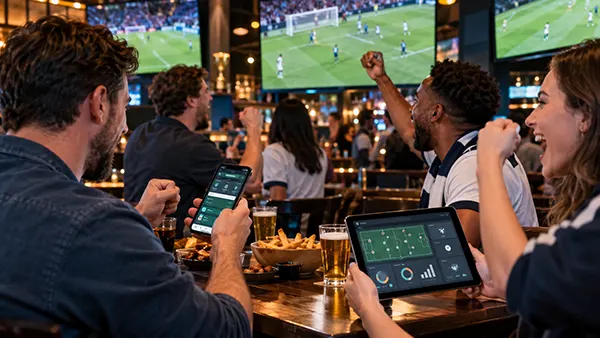
In-play markets made timing more important because prices and available selections moved with the action. A goal, booking, substitution or spell of pressure could change what was offered within seconds, allowing bettors to respond to the match itself rather than rely entirely on a prediction made before kick-off.
Kambi said live Bet Builder turnover rose tenfold from the 2022 World Cup, while shots on target accounted for 15% of live turnover in its pre-final data. OpenBet separately reported that in-play bets rose to roughly one in six bets during the knockout rounds, underlining how much activity shifted into the match rather than staying pre-match.
This faster rhythm can make watching more interactive, but it also increases the number of decisions made in a short period. Live prices move quickly, emotions can change after every major incident, and repeated wagering can become difficult to track. Setting a budget before kick-off and avoiding attempts to recover losses therefore remain practical safeguards.
What the 2026 World Cup Tells Us After the Final
Bet Builder was no longer a minor part of tournament betting. Kambi reported that it accounted for 35% of bets across its network, up from 17% in 2022, and that more than 100 million bets were placed through its sportsbook partners during the competition. That rise shows how combined markets became a routine part of football betting.
The final reinforced the pattern on OpenBet’s systems: Spain versus Argentina generated 831,000 BetBuilder bets, 39% more than the 2022 final. This does not mean every fan changed behaviour, but it does show greater use of personalised combinations during football’s biggest event and stronger interest in building wagers around several outcomes.
World Cup 2026 therefore points to a broader shift in betting behaviour. The final score still matters, but individual players, live match events and combined selections now attract far more attention. For bettors, that extra choice makes clear limits, slower decision-making and an understanding of how each added selection affects risk increasingly important.